Let’s start with something most “best Hindi apps” articles won’t tell you: Hindi learning apps have historically been the neglected middle child of the language-learning world. While Spanish and French learners get polished, comprehensive tools, Hindi learners have often had to cobble together resources and deal with apps that feel like afterthoughts. However, 2026 has seen the rise of more innovative apps for Hindi, with each innovative app offering unique features like AI-powered tools and social interaction to enhance your learning experience. Today’s language apps offer a wide range of features and are designed for different learning purposes, whether you want to travel, reach advanced proficiency, or simply pick up conversational skills.
The good news? 2026 is different. The options have improved significantly, and if you know what you’re looking for, you can build a Hindi learning system that actually works. There is now a wide variety of language learning apps available, each language learning app catering to different needs, features, and learning goals. You can now learn Hindi online using these language apps, whether through structured online courses, streaming Bollywood movies for listening practice, or engaging with native speakers to improve your skills.
The best app to learn Hindi depends on your level:
- Duolingo works best for absolute beginners
- Pimsleur excels at conversational speaking skills
- Clozemaster is the most effective choice for intermediate learners building vocabulary through contextual sentence practice
Here’s the quick answer if you’re in a hurry:
- Best for absolute beginners: Duolingo Hindi (often considered the best Hindi learning app for new learners)
- Best for building vocabulary fast: Clozemaster
- Best for speaking practice: Pimsleur Hindi
- Best free option: Duolingo (with library-access Mango as a runner-up; some apps are completely free)
- Best for learning the script: Drops or dedicated Devanagari apps
In 2026, the best apps to learn Hindi include Duolingo, Pimsleur, Mondly, Memrise, and italki.
Duolingo stands out for its quick lessons and accessible free version, making it easy to get started. However, if you want more comprehensive content, other apps offer a paid version with additional features and resources.
But here’s the thing: the best app depends entirely on where you’re starting and where you’re trying to go. Different learning preferences and learning style play a big role—some people prefer structured lessons, while others want conversational practice or visual aids. If you’re a visual learner, some language apps are ideal, offering visual aids and reading lessons to help reinforce new concepts. These apps allow you to study at your own pace, making it easier to fit learning into your schedule. They can help you learn Hindi fast, depending on your language goals and how you use them.
Someone wanting to chat with in-laws needs a very different approach than someone preparing for a trip to Rajasthan. Learning a new language is always a challenge, but focusing on your target language with the right app can make all the difference.
So let’s break this down properly.
Before You Choose: What You Need to Know About Learning Hindi
Most app roundups jump straight into features and pricing. That’s a mistake. If you don’t understand a few Hindi-specific realities, you’re likely to choose the wrong tool. It’s also important to consider how well an app provides cultural insights, as understanding the cultural context is essential for truly mastering Hindi.
When evaluating the best apps to learn Hindi 2026, remember that building strong comprehension skills—through listening, reading, and understanding real-life Hindi—is a key goal for most learners.
How Long Does It Take to Learn Hindi?
The U.S. Foreign Service Institute classifies Hindi as a Category IV language, estimating ~1,100 class hours for professional proficiency.
In practice:
- Basic travel Hindi: 2–3 months (using audio lessons and live Hindi lessons can help accelerate progress)
- Simple conversation & comprehension: 6–12 months (audio lessons and live Hindi lessons can speed up results)
- Comfortable fluency: 2–3+ years with consistent use and real interaction
Apps can take you far — but not all the way on their own. To make the most of your time, focus on practice speaking, developing listening skills, and making sure you learn vocabulary regularly. Learning Hindi online gives you access to resources for grammar lessons, Hindi phrases, and Hindi vocabulary, helping you build a strong foundation.
The Script Question: Devanagari or Romanization?
Short answer: learn Devanagari — just not on day one.
Start with romanization for the first few weeks to build momentum, then dedicate 2–3 focused weeks to the script. Devanagari has about 47 core characters, and Hindi spelling is almost perfectly phonetic — far easier than English once you commit. Learning the Hindi letters is essential if you want to write Hindi confidently and accurately.
Romanization (“aap kaise hain?”) is helpful early on, and many apps introduce English words alongside Hindi to ease beginners into pronunciation and basic vocabulary. However, romanization becomes a serious limitation. Real Hindi — signs, menus, subtitles, texts — is written in Devanagari. If you can’t read it, you’re locked out of immersion.
Apps that offer both options give you flexibility. Apps that only offer romanization are fine for tourists, limiting for serious learners.
For visual learners, tracing and recognizing Hindi letters in the script helps reinforce memory and understanding. Learning the script also introduces you to new vocabulary as you practice reading and writing.
What “Hindi” Are Apps Actually Teaching?
Most apps teach a standardized, formal Hindi — which is grammatically correct but not always what people speak.
However, most learners are aiming for conversational Hindi—the practical, everyday language used in real-life situations, rather than formal or literary forms.
In reality, spoken Hindi exists on a spectrum:
- Formal (Shुद्ध Hindi): News, speeches, textbooks
- Colloquial Hindi: What most people speak daily
- Hindustani: The practical overlap between Hindi and Urdu
For example, you might learn धन्यवाद (dhanyavaad) for “thank you,” but in everyday conversation many people say “thanks” or शुक्रिया (shukriya).
This isn’t a problem — just something to be aware of. You’ll sound very polite at first. That’s normal.
What Apps Can — and Can’t — Do
Apps are excellent at:
- Vocabulary and grammar foundations
- Structured progression
- Short daily practice
- Pattern drilling
- Audio lessons
Apps are bad at:
- Teaching spontaneous speaking
- Practice speaking in real-life situations
- Preparing you for native speed
- Cultural nuance
- Real conversational chaos
- Teaching students through personalized guidance
- Providing deep cultural insights
The winning strategy is to use apps for structure and volume, then add humans for speaking. Supplement your learning with language exchange platforms and video chat with native speakers to practice speaking and gain real conversational experience. Remember, teaching students effectively requires real interaction and feedback, not just app drills. Consider your language goals and learning style, and use live Hindi lessons or conversation partners to round out your skills.
Why Learn Hindi? Key Benefits for Serious Learners
If you’re considering whether to learn Hindi, you’re not just picking up another foreign language—you’re unlocking access to the fourth most spoken language in the world. Hindi connects you to over half a billion speakers, opening doors to India’s booming economy, vibrant culture, and rich history. Whether your goal is to travel, work, or simply connect with native Hindi speakers, mastering Hindi gives you a unique edge.
A good Hindi learning app can transform your language learning journey into an immersive language learning experience. You’ll build essential vocabulary, develop the confidence to speak Hindi in real-life situations, and gain insights into a culture that’s as diverse as it is fascinating. Hindi learning isn’t just about memorizing words—it’s about understanding a worldview, appreciating Bollywood films in their original language, and forming genuine connections.
For serious learners, the benefits go beyond communication. Learning Hindi sharpens your mind, enhances your career prospects, and gives you a deeper appreciation for one of the world’s most expressive languages. With the right tools, you can make real progress and enjoy every step of your Hindi learning adventure.
The Hindi Alphabet: Your First Hurdle and How to Overcome It
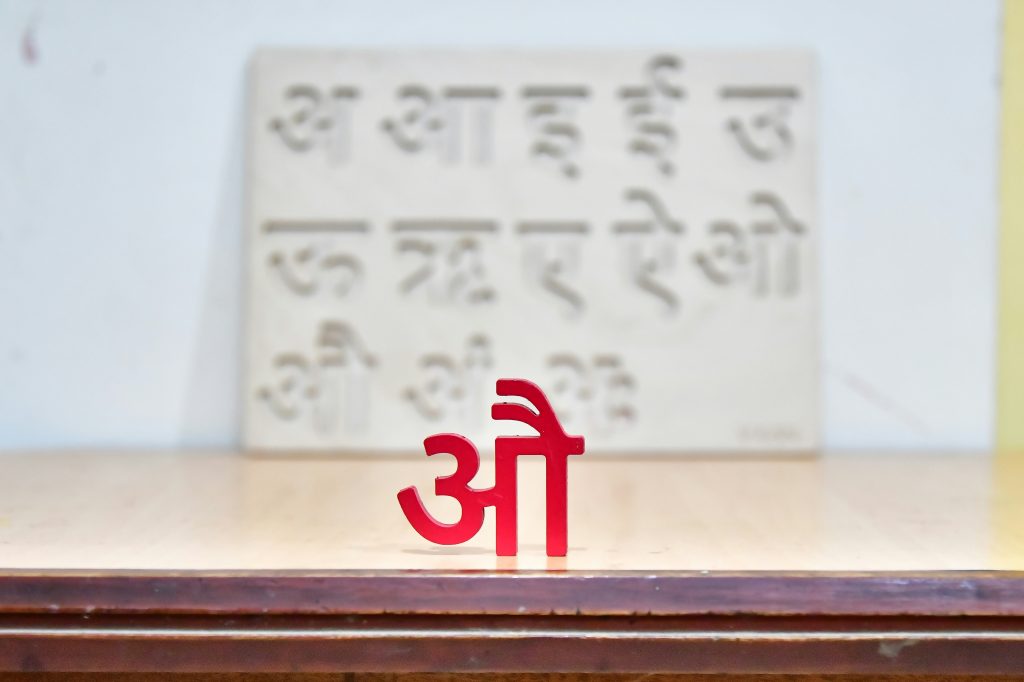
One of the first challenges you’ll face in your Hindi language journey is the Hindi alphabet, known as the Devanagari script. At first glance, those 47 unique characters can seem overwhelming, especially if you’re used to the Latin alphabet. But here’s the good news: with the right approach, you can master the Devanagari script faster than you think.
Start by focusing on the correct pronunciation of each letter. Many language learning apps offer interactive lessons, audio pronunciation guides, and writing exercises to help you internalize the shapes and sounds. Don’t rush—spend a few minutes each day tracing the letters, listening to native speakers, and practicing writing simple words. This steady practice will build your confidence and lay a solid foundation for your reading and writing skills.
Once you’re comfortable with the Hindi alphabet, you’ll find that your conversational skills improve dramatically. You’ll be able to read signs, menus, and messages, and you’ll unlock a whole new level of immersion in the Hindi language. Remember, every new script feels daunting at first, but with patience and the right resources, you’ll soon see the Devanagari script as a gateway—not a barrier—to fluency.
Audio Lessons and Podcasts: Boosting Your Listening Skills
If you want to truly speak Hindi and understand native speakers, there’s no shortcut around listening practice. Audio lessons and podcasts are your secret weapon for developing sharp listening skills and authentic pronunciation. Unlike textbook drills, audio content immerses you in the real sounds, rhythms, and intonations of the Hindi language—crucial for anyone aiming for conversational Hindi.
The Pimsleur method is a classic for a reason: its audio lessons force you to listen, think, and respond in Hindi, building your speaking skills from the ground up. You’ll find yourself repeating phrases, answering questions, and gradually internalizing the flow of natural conversation. Apps like Rocket Hindi and Rosetta Stone also offer robust audio lessons, blending pronunciation practice with grammar and essential vocabulary, so you can hear—and mimic—how Hindi is actually spoken.
Don’t overlook podcasts like HindiPod101, which deliver a steady stream of lessons for every level. These podcasts go beyond grammar, offering cultural insights and real-life dialogues that help you tune your ear to different accents and everyday speech. By making audio lessons and podcasts a regular part of your language learning routine, you’ll boost your listening skills, pick up new Hindi words, and gain the confidence to join real conversations. Whether you’re commuting, exercising, or just relaxing, plug in and let Hindi become the soundtrack to your language journey.
The Best Hindi Learning Apps in 2026 (Detailed Reviews)
Can You Learn Hindi for Free?
Yes — with limits.
- Duolingo offers a full beginner Hindi course with a free version that includes basic lessons and quick lessons, but advanced content is only available in the paid version.
- Mango Languages is completely free through many public libraries, making it accessible for anyone wanting to start learning a new language.
Free apps are excellent for starting at your own pace and are a great way to explore the best Hindi learning app options without cost. However, the free version of most apps has limits—such as fewer phrases or no trial lesson. Upgrading to the paid version unlocks more advanced content, helping you reach your language goals faster.
A smart approach: start free, invest after 1–2 months.
Duolingo Hindi
Best for: Absolute beginners who need frictionless entry
Duolingo is easy to criticize — but for Hindi beginners, it does something crucial: it gets you started.
You’ll learn Devanagari from the beginning, basic sentence structure, and common vocabulary in short, manageable quick lessons. The app lets you study at your own pace, making it flexible for different schedules and learning needs.
Limitations:
- Shallow compared to major languages
- Heavy recognition over production
- You’ll outgrow it quickly
Verdict: Excellent for months 1–2, especially if your learning style favors visual cues and bite-sized practice. Then move on.
Pimsleur Hindi
Best for: Speaking and pronunciation
Pimsleur uses audio lessons based on the Pimsleur Method, an audio-based language learning approach developed by Dr. Paul Pimsleur. The method emphasizes listening comprehension and authentic conversation practice, making it ideal for auditory learners.
You’re forced to produce Hindi aloud, not just recognize it. For travelers or anyone prioritizing speech, it’s one of the fastest ways to sound competent.
Limitations:
- Expensive (check libraries)
- No reading or writing
- Limited vocabulary
Verdict: One of the best Hindi learning apps for speaking and especially effective for improving listening skills, but not a standalone solution.
Mango Languages
Best for: Free, well-designed conversational learning
Mango is underrated. This language learning app’s Hindi course is thoughtful, practical, and integrates cultural insights into its lessons, helping you understand the context behind Hindi phrases and deepening your comprehension skills. The app also includes cultural notes and register differences (aap vs tum), and offers features to practice speaking, making it adaptable to your learning style. For even more immersion, consider supplementing with language exchange or live Hindi lessons.
Limitations:
- Slower pacing
- Limited depth
Verdict: Outstanding if you have library access—one of the best Hindi learning app options for cultural appreciation.
Rocket Hindi
Best for: Learners who want everything in one system
Rocket combines comprehensive grammar lessons, audio lessons, writing, and culture into one structured course.
Limitations:
- Dated interface
- High upfront cost
Verdict: Solid all-in-one option if you dislike app-stacking.
HindiPod101
Best for: Intermediate learners craving real content
HindiPod101 offers thousands of audio lessons designed to introduce new vocabulary in context, helping learners improve their listening skills and comprehension skills. The platform features real conversations, cultural topics, slang, and a wide variety of Hindi phrases. You can also access live Hindi lessons and try a trial lesson to see if it fits your needs. For extra practice, consider supplementing with language exchange.
Limitations:
- Overwhelming without discipline
- Subscription costs add up
Verdict: Powerful once you’re past the basics and one of the best Hindi learning apps for building practical skills.
Clozemaster
Best for: Intermediate learners building real comprehension
Clozemaster is designed to help learners build Hindi vocabulary and learn vocabulary through sentence-based practice. You practice by filling in missing words inside real Hindi sentences, drawn from a massive, frequency-sorted corpus.
This forces active recall and builds intuition for grammar and usage — something traditional apps struggle to do.
Why it works especially well for Hindi:
Hindi grammar and word order only “click” after seeing thousands of examples in context. Clozemaster gives you exactly that.
Limitations:
- Not beginner-friendly
- No speaking component
Verdict: The most efficient vocabulary-building tool for intermediate Hindi learners.
Vocabulary Building and Language Exchange: Expanding Beyond the App
Building a solid foundation in Hindi vocabulary is the key to unlocking real communication. While language learning apps are great for structured lessons, you’ll need to go further to truly expand your word bank and speak Hindi with confidence. Flashcard apps like Anki are a favorite among serious learners, offering customizable decks packed with essential Hindi words and phrases. Regular review helps cement new vocabulary, so you’re always ready to use it in conversation.
But vocabulary isn’t just about memorization—it’s about real-world use. That’s where language exchange apps like HelloTalk and Tandem come in. These platforms connect you directly with native Hindi speakers, giving you the chance to practice speaking skills, ask questions, and learn the nuances of the language from those who use it every day. Engaging with native speakers not only helps you learn new vocabulary, but also exposes you to slang, idioms, and cultural context that no app can fully replicate.
For a fun, immersive twist, try watching Bollywood movies with English subtitles. You’ll pick up new Hindi words and phrases in context, hear how native speakers use language in different situations, and get a taste of the culture that shapes the language. By combining flashcards, language exchange, and media immersion, you’ll create a language learning journey that matches your learning style and keeps you motivated. The result? A richer vocabulary, stronger speaking skills, and a deeper connection to Hindi and its speakers.
Hindi Language and Culture: What Every Learner Should Know
To truly learn Hindi, you need to go beyond grammar and vocabulary—you need to understand the culture that shapes the language. Hindi is an Indo-Aryan language with deep roots in Indian history, literature, and daily life. It’s not just the official language of India; it’s a living, evolving language spoken by millions across South Asia and the world.
Cultural awareness is key to effective communication. Hindi speakers often use different levels of formality, subtle gestures, and expressions that reflect respect and social context. By paying attention to these nuances, you’ll avoid misunderstandings and build stronger connections with native speakers.
One of the best ways to immerse yourself in Hindi culture is through Bollywood movies, music, and TV shows. These not only help you pick up new Hindi words and phrases, but also give you a window into the humor, traditions, and values of Hindi-speaking communities. As you learn Hindi, take time to explore its poetry, festivals, and everyday customs—you’ll find that language and culture are inseparable.
Embracing the cultural side of Hindi learning will make your language journey richer, more enjoyable, and far more rewarding.
How to Build Your Hindi Learning Stack
Beginner (Months 1–3)
- Duolingo or Mango
- Devanagari practice (e.g. Drops) — Beginners should focus on learning Hindi letters and practicing to write Hindi. These apps help you recognize, pronounce, and write Hindi letters, which is essential for building a strong foundation in the Devanagari script.
- 15–20 minutes daily
Intermediate (Months 4–12)
- Clozemaster (daily): Clozemaster is excellent for intermediate learners aiming to expand their Hindi vocabulary and build comprehension skills. By practicing with context-based sentences, users can improve both their reading and listening skills.
- HindiPod101 or YouTube
- Weekly speaking on italki:
Advanced (Year 2+)
- Native content (films, podcasts, news)
- Clozemaster for maintenance
- Regular conversation
Final Thoughts
There is no perfect Hindi app — but there is a perfect combination.
The learners who succeed aren’t the ones chasing the best tool. They’re the ones who show up daily, tolerate confusion, and gradually expand what they understand.
If you’re ready to move beyond beginner material and build real comprehension, Clozemaster’s Hindi course offers one of the largest and most effective sentence-based learning systems available. But whichever apps you choose, the principle is the same:
Start today. Stay consistent. Let confusion turn into clarity.
आप कर सकते हैं।
(Aap kar sakte hain.)
You can do this.
This post was created by the team at Clozemaster with the help of AI, and edited by Adam Łukasiak.

